
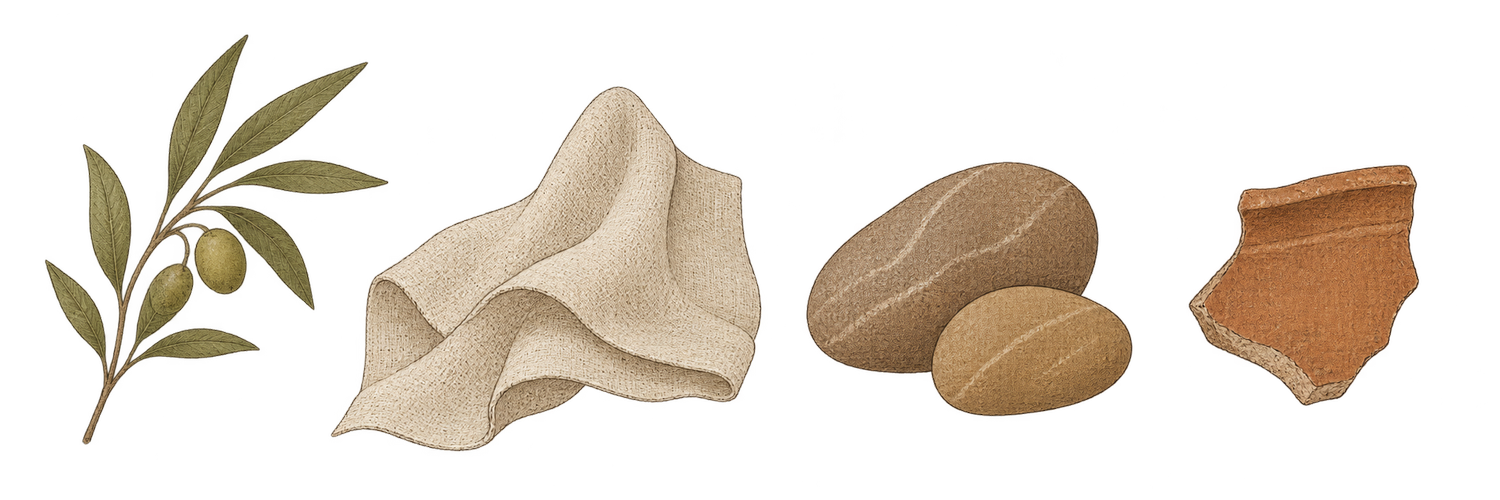
Olive, brown and stone can feel familiar before we have thought about an outfit. Part of their appeal may lie in what they remind us of, not a universal rule that our eyes prefer beige.
Moss against bark. Pale stone beside dark soil. Dry leaves on a grey pavement. These are useful places to look when a wardrobe starts to feel predictable.
Not because nature has a dress code. Because a combination you notice outside can give you an idea you would never find by buying another shirt in your usual colour.
A colour comes with associations
We rarely meet a colour with no history attached. Olive might suggest a woodland walk, an old field jacket or a school uniform. The colour is similar; the feeling may be very different.
Psychologists Stephen Palmer and Karen Schloss tested the idea that our colour preferences are connected to how we feel about things associated with those colours. Their 2010 research supported that account. A 2026 study also found support, while showing that personal meanings and abstract ideas matter too.
That offers one possible reason an earthy palette appeals: it can bring familiar materials or places to mind. It does not prove everyone is drawn to it. In fact, some brown shades were disliked in the earlier research. “Natural” is not automatically another word for “beautiful”.
Nor does liking a colour mean it grabs your attention first. A bright orange jacket may be more noticeable than an olive one without being the jacket you want to wear.
The combination matters more than the colour name
Brown on a screen and brown corduroy in an outfit are not the same experience. You are also seeing texture, shape and the colours beside it.
Research on colour pairs distinguishes between colours that seem to belong together and combinations people actually like. They are related, but not identical judgements. Those experiments used coloured squares, not dressed people; they are a useful insight, not a formula for a good outfit.
For getting dressed, try giving the colours different depths: pale stone, mid-tone olive, dark brown. Or keep the colours close and vary the fabric: a soft brown knit against smoother tobacco trousers. That is a styling suggestion to test, not a scientific rule.
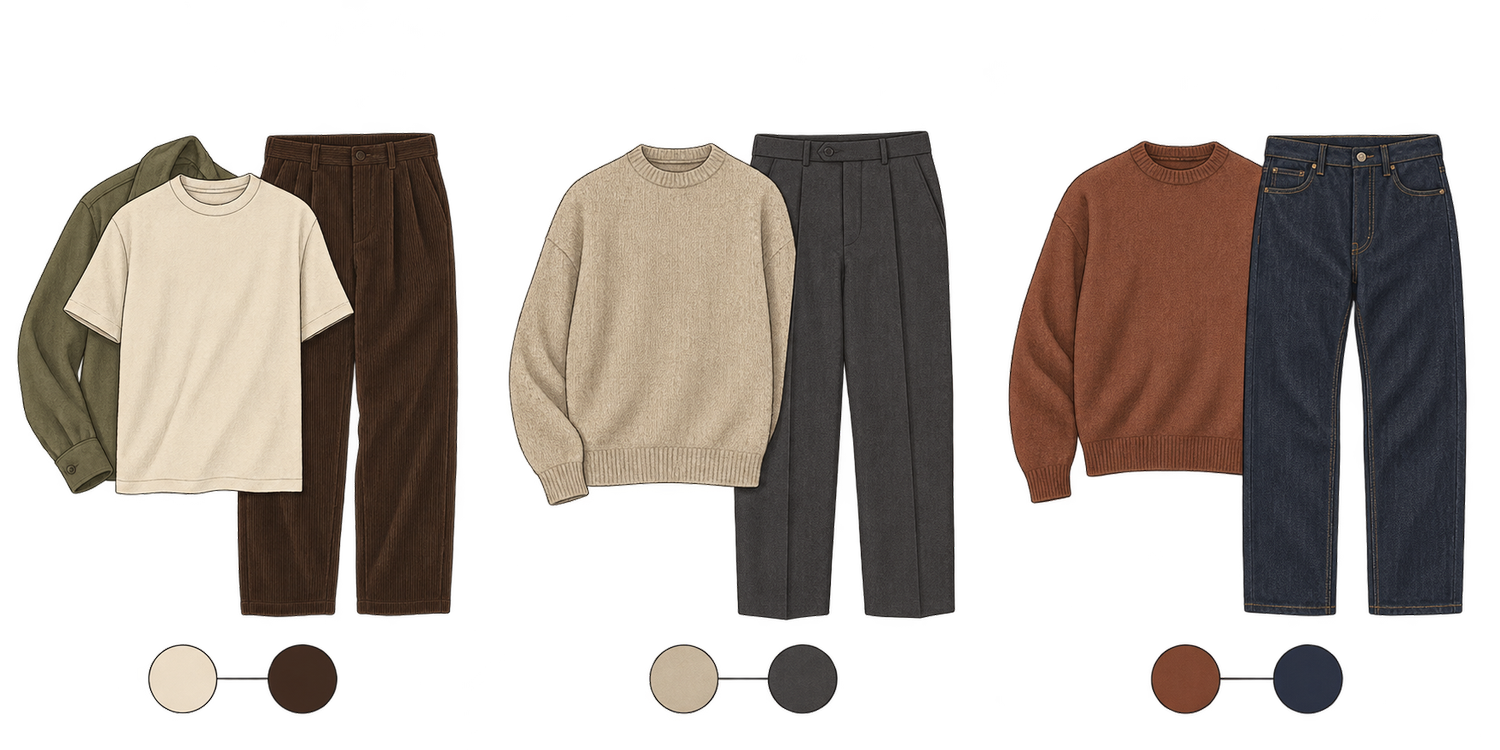
How to wear it: borrow a palette, not a costume
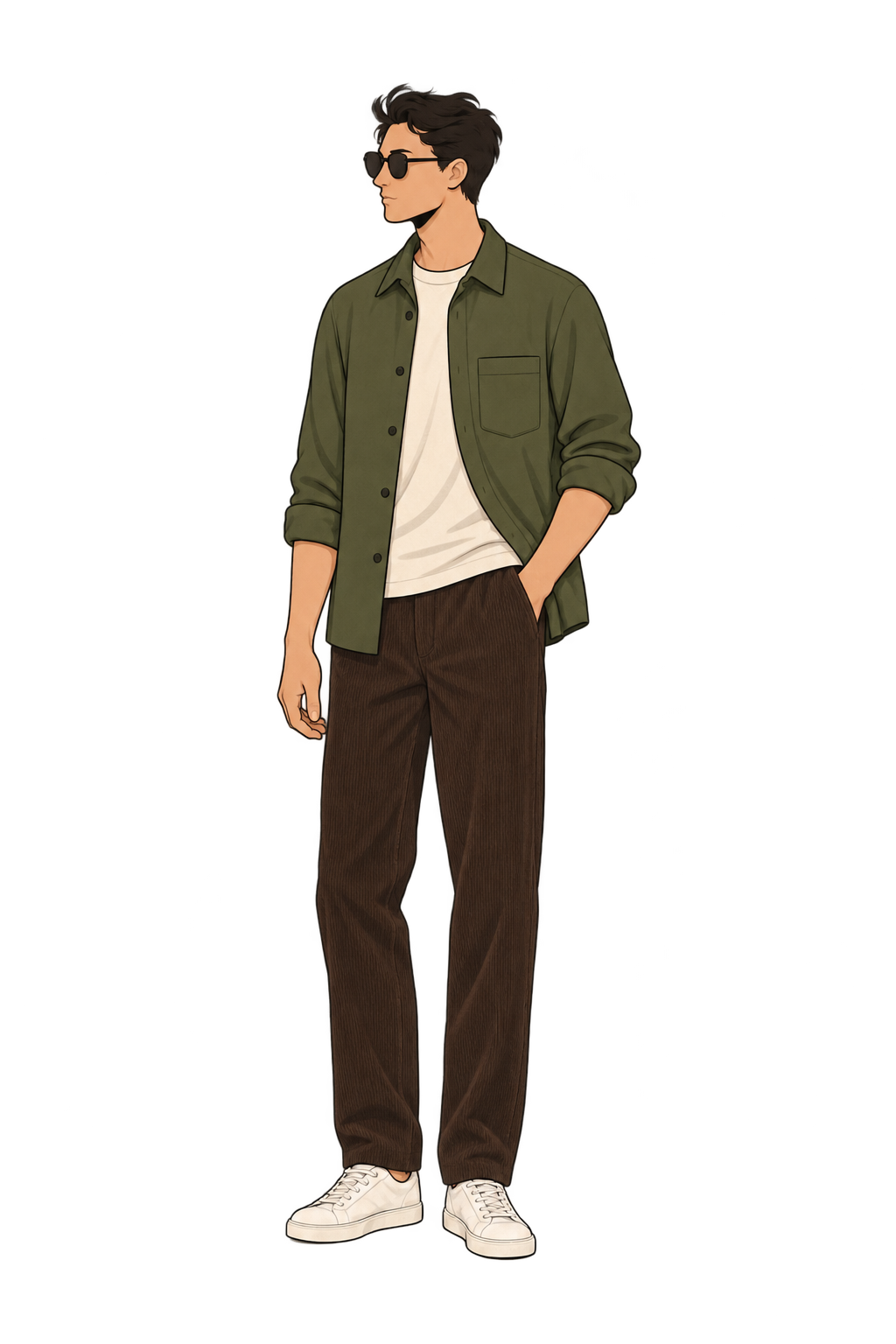
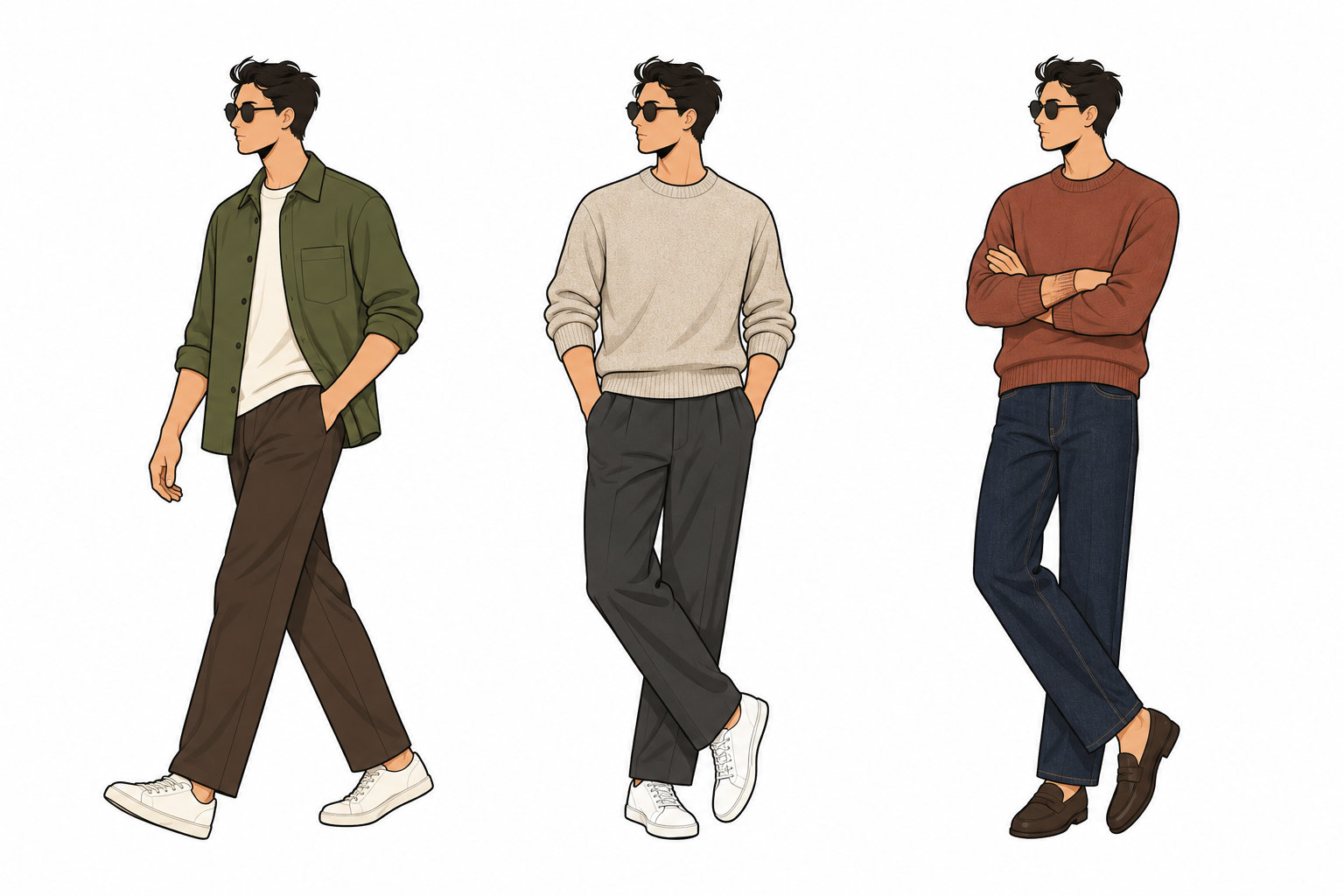
Woodland: olive overshirt, cream T-shirt, dark-brown cords and off-white trainers. The pale T-shirt breaks up the darker pieces; there is no need to add hiking boots and a field watch to complete a theme.
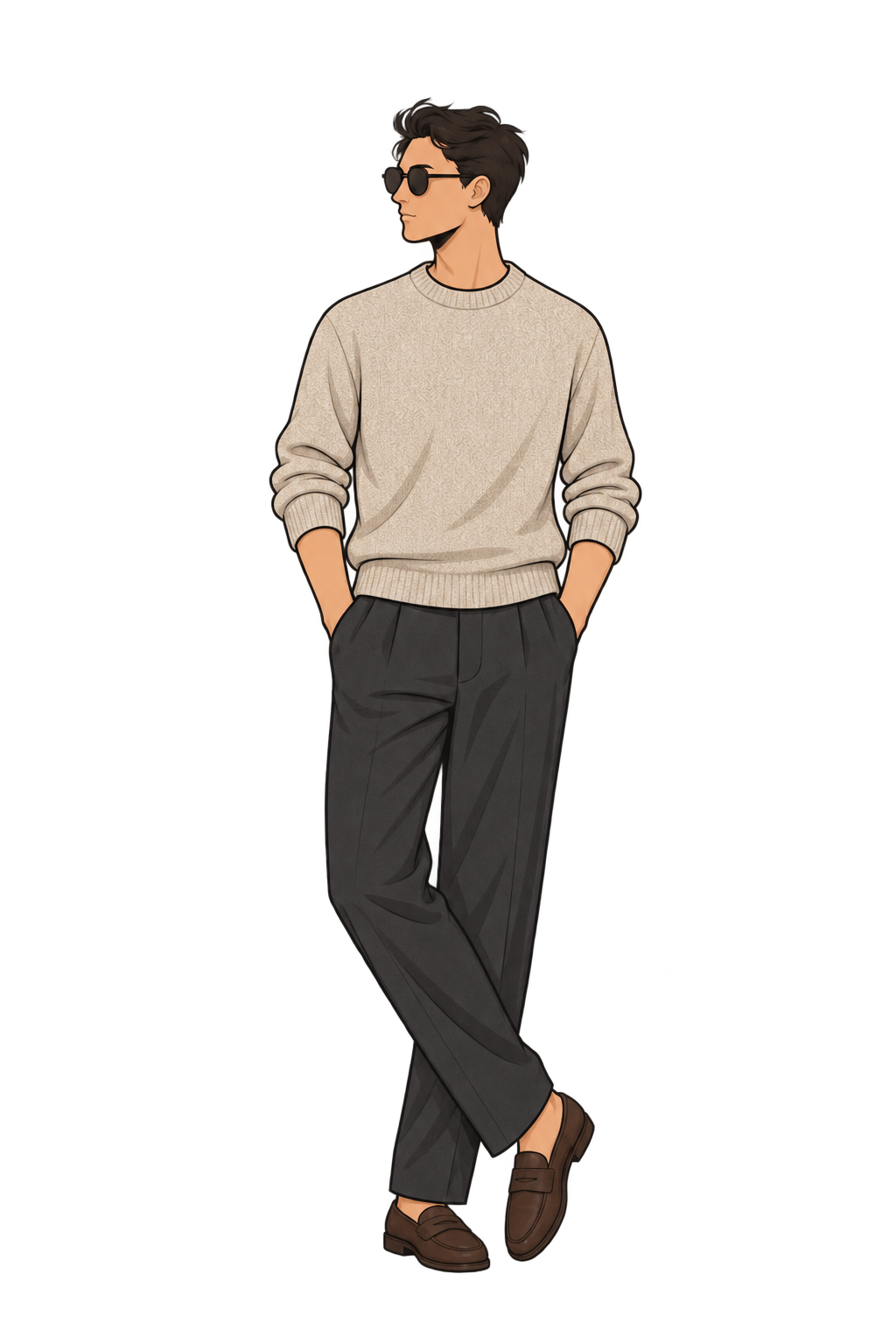
Stone and timber: oatmeal knit, charcoal trousers and brown leather loafers. A useful option for a relaxed office or dinner, without dressing head to toe in beige.
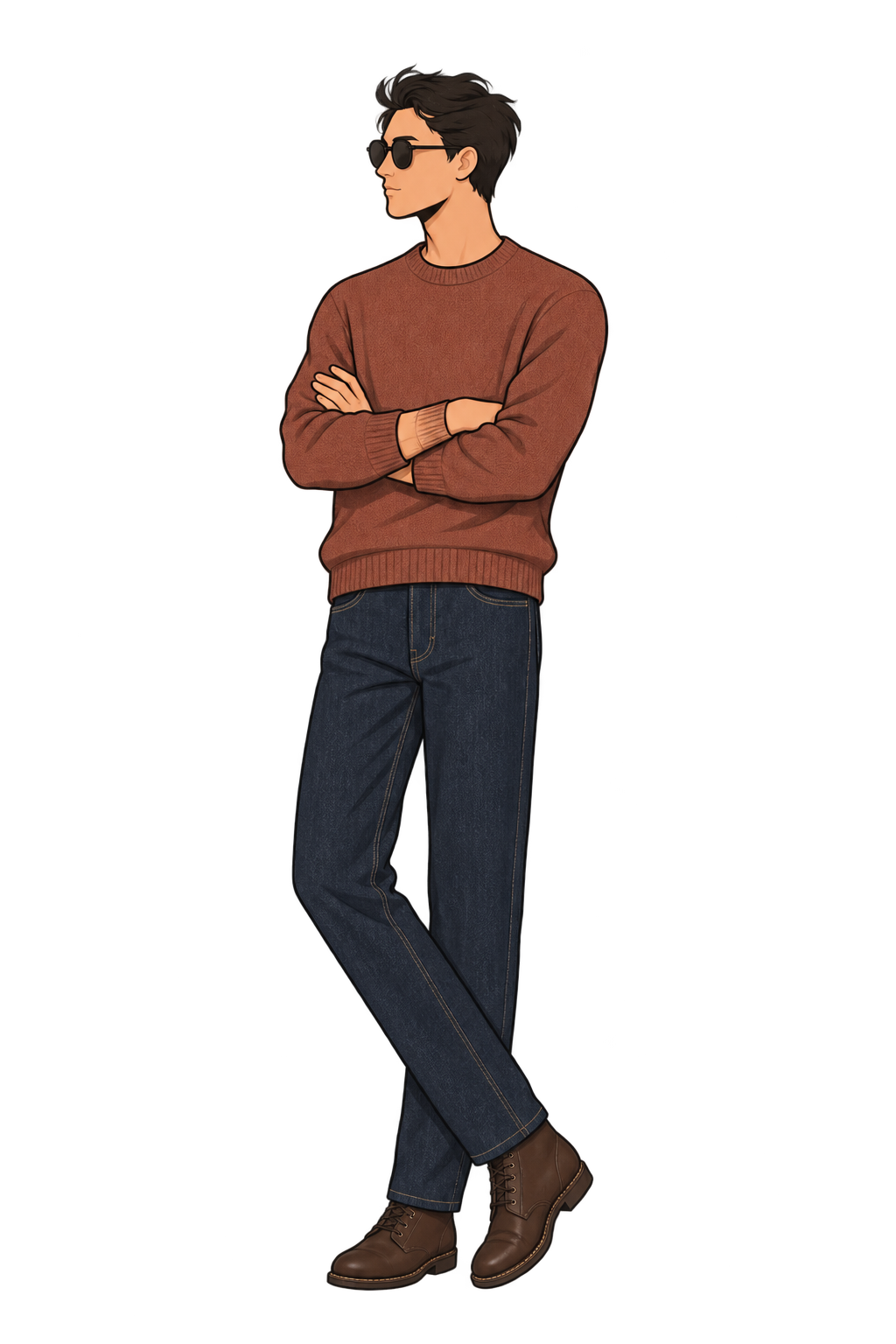
Autumn leaves: muted rust knit, dark-indigo jeans and brown boots. Keep the familiar jeans and let the warmer knit be the change.
Start with what you own. Before buying that olive jacket, put it beside the trousers and shoes you intend to wear with it. The outfit matters more than the appealing colour on the hanger.
Final note
Earth tones need not shout to be interesting. Borrow a combination from somewhere you like, then make it work for the life you actually lead.
Read next
How to Use Colour Like a Pro
The First Three Pieces to Buy
AO Notes
Get the free Minimalist capsule guide, then one useful idea a week. No spam.